3 Telltale Signs a Utah Valley Driveway May Need Concrete Lifting
Published on October 17, 2025
A driveway is often one of the first things people see when visiting a home, and it endures considerable daily use. Over time, the soil beneath it can shift and settle, leading to problems that extend beyond cosmetic issues. Catching these problems early can potentially save homeowners from a much more expensive replacement down the road. Here are three common signs that suggest a Utah Valley driveway might require professional concrete lifting.
Sign #1: Uneven Slabs and Trip Hazards
This is often the most obvious and potentially dangerous sign. When one concrete slab sinks lower than the adjacent one, it creates a "step" or ledge. Even a minor height difference can become a significant tripping hazard for family and visitors, creating a liability risk. This issue might be most noticeable where the driveway meets the garage floor or the sidewalk. If running a foot over the joints reveals a distinct, uneven edge, it indicates the soil base beneath the lower slab has likely given way. This problem typically doesn't fix itself and may worsen over time, especially with Utah's freeze-thaw cycles.
Sign #2: Water Pooling or Improper Drainage
Driveways are typically designed and poured with a slight grade to ensure water runs off and away from a home's foundation. When a section sinks, it disrupts this intended slope. If large puddles of water sit on the driveway for hours after rain or watering, it's a clear indicator of a low spot. This pooling water can be a nuisance, potentially creating icy patches in winter. More importantly, it can exacerbate the underlying problem by seeping into the ground and causing further soil erosion where the issue already exists. It might also channel water directly toward the foundation, potentially leading to more severe structural issues over time.
Sign #3: Widening Cracks or Gaps
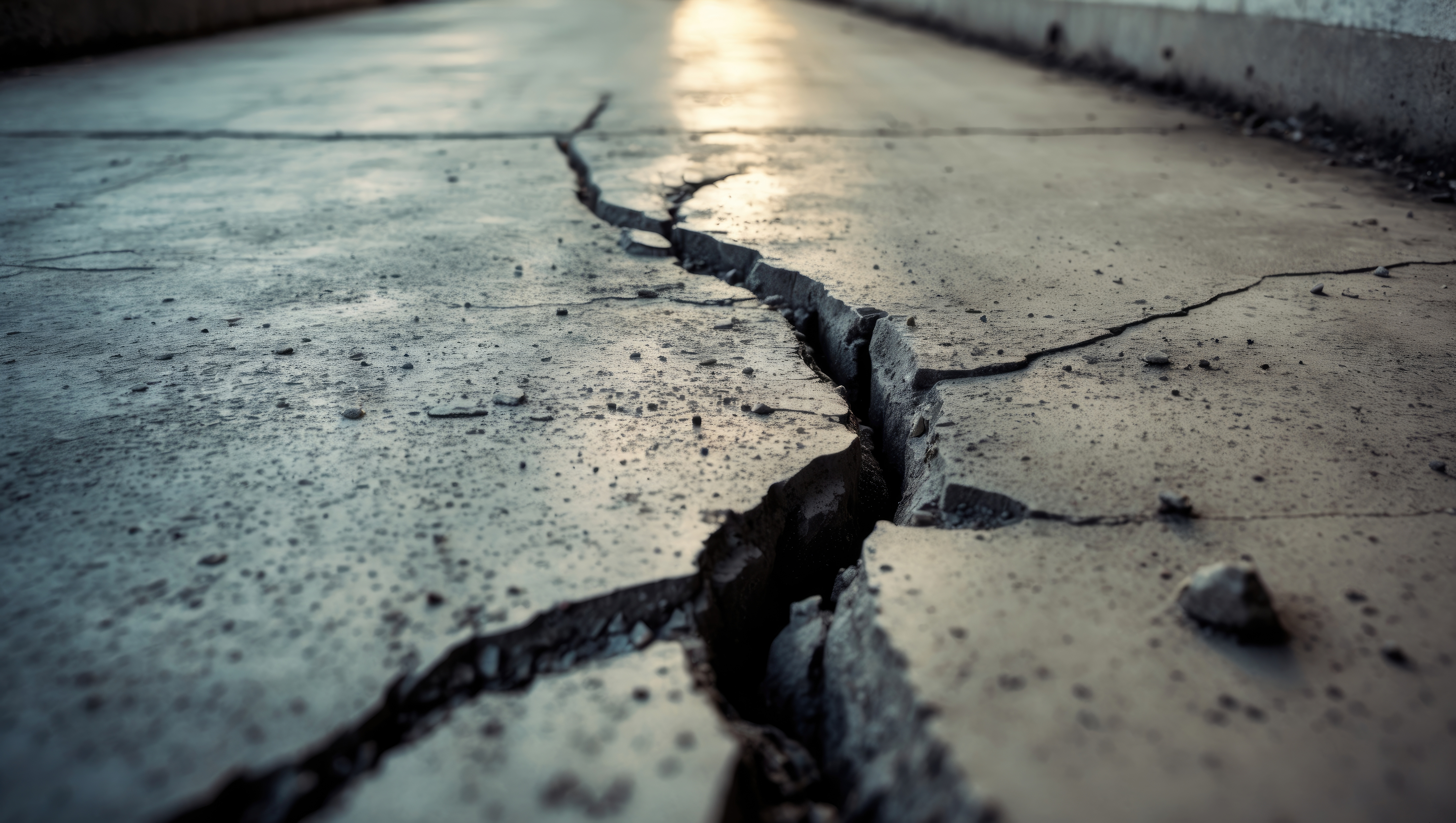
While hairline cracks can be a normal part of concrete aging, widening cracks or visible gaps opening up warrant closer attention. This is particularly concerning when one side of the crack is higher than the other, confirming that part of the slab is sinking. Another key area to monitor is the expansion joint between the driveway and the garage. If this gap widens or the driveway appears to pull away from the foundation, it's a strong signal that the soil underneath is no longer providing adequate support. These aren't just cosmetic flaws; they are symptoms of an unstable foundation that needs addressing.
Recognizing any of these signs suggests it might be time to investigate further. Addressing underlying soil issues with polyjacking sooner rather than later can help prevent further damage and avoid the higher cost of replacement. Professional assessment can determine the best course of action for restoring a driveway's safety and integrity. Learn more about concrete lifting services and how sunken driveways can be restored.